Source Bluetooth Digital Knob Rowing Machine for gyms, homes, and clubs
Explore 30 listings of the Bluetooth Digital Knob Rowing Machine with adjustable resistance and digital displays. Buyers can compare specifications, weights, and certifications to find the right equipment for fitness clubs, commercial gyms, or home use.
Key considerations
Products List


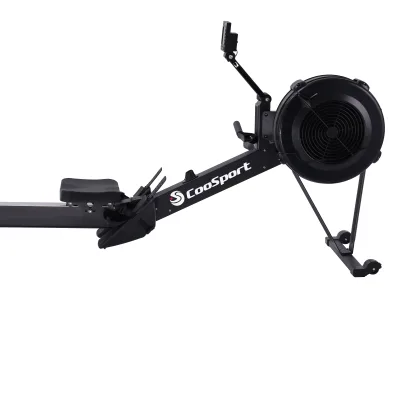
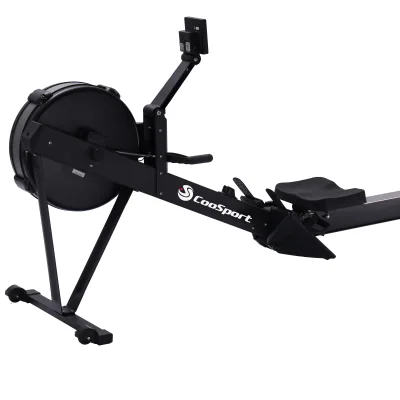

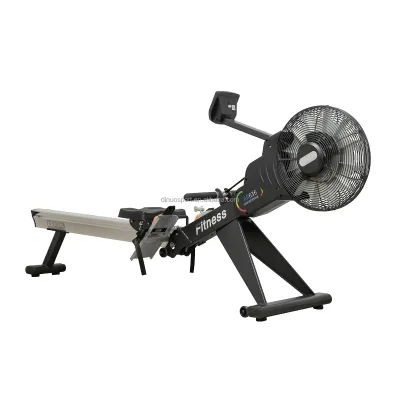
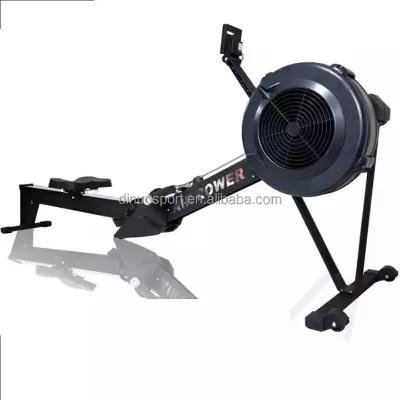

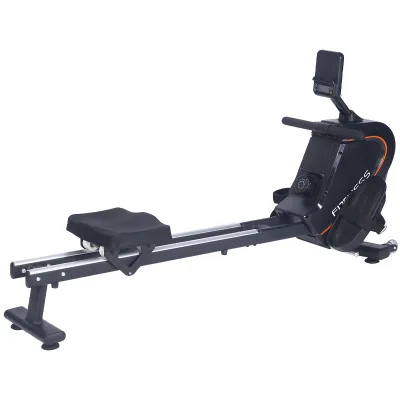
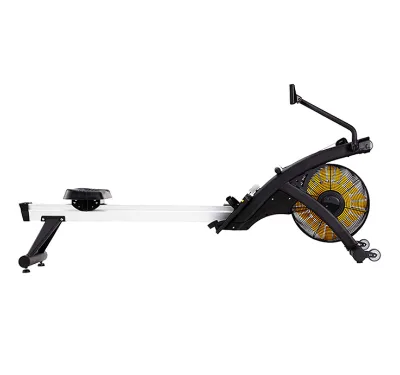
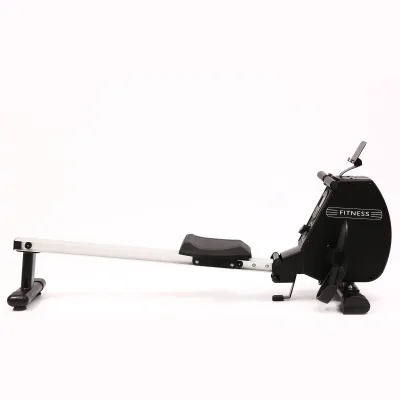
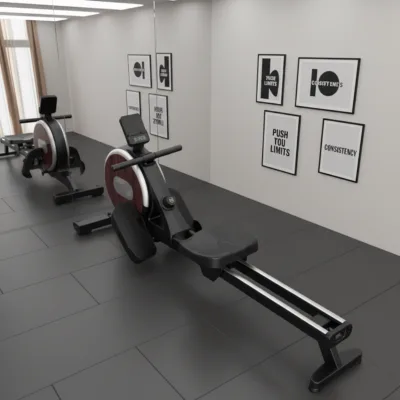
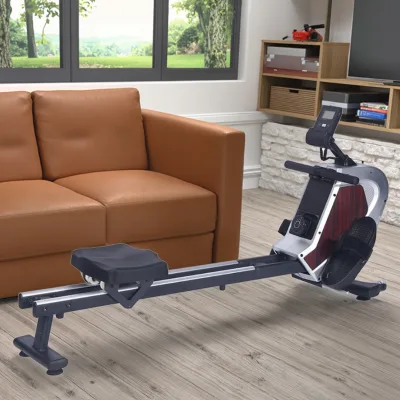
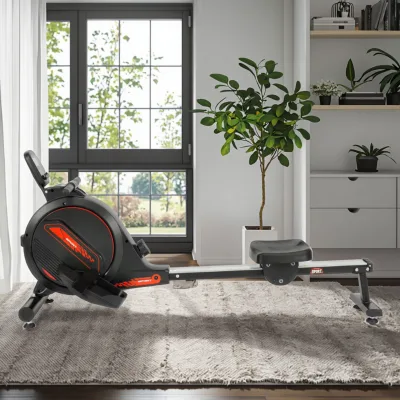
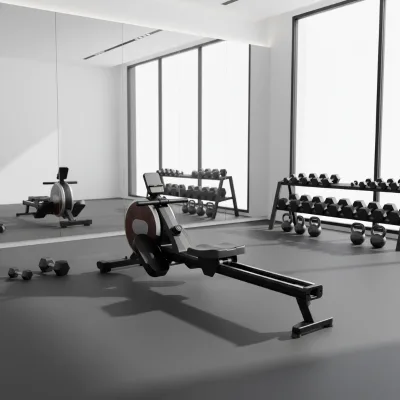
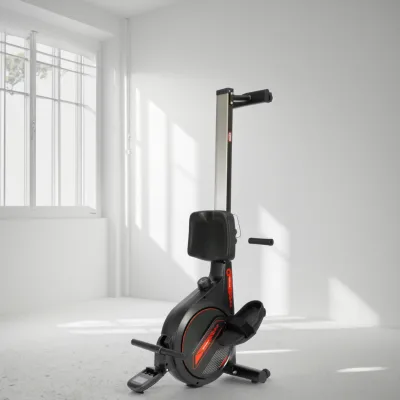

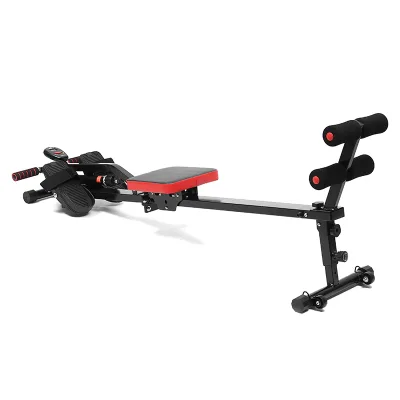
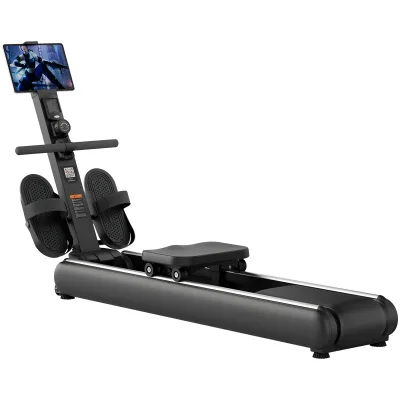
Comprehensive Sourcing Guide
Strategic Sourcing Guide for Bluetooth Digital Knob Rowing Machines
The global market for home and commercial fitness equipment has seen a significant shift toward connected devices that offer precise data tracking and interactive experiences. When sourcing a Bluetooth Digital Knob Rowing Machine, buyers must navigate a complex landscape of technical specifications, material compositions, and compliance requirements. This guide provides a disciplined approach to evaluating suppliers and products, ensuring that procurement decisions are based on verified facts and industry standards rather than marketing assertions. The focus remains on identifying equipment that integrates digital connectivity with robust mechanical performance suitable for both commercial gyms and residential use.
Technical Architecture and Connectivity Integration
The defining characteristic of the target product is the integration of Bluetooth technology with a digital control interface, often referred to as a "digital knob." This combination allows users to adjust resistance levels via a tactile interface while simultaneously transmitting real-time performance data to external devices. In the observed product data, specific models feature a console capable of tracking Time, Speed, Calories, Distance, and Heart Rate. Some configurations explicitly mention "Bluetooth Device" configuration, indicating compatibility with mobile applications or third-party fitness platforms.
When evaluating the technical architecture, buyers should verify the nature of the resistance mechanism. The supply data indicates a diversity in resistance types, ranging from "10 Gears Adjustable" mechanical systems to "Water Resistance" and "10 Levels Adjust Resistance" air systems. The digital knob likely serves as the primary interface for selecting these resistance levels, replacing traditional friction pads or magnetic dials with a more intuitive digital selector. It is critical to confirm that the digital knob is not merely a cosmetic feature but a functional component that communicates with the console and the resistance mechanism. The console display types vary, with some units offering an "LED Display" while others provide an "English Display," suggesting that the interface language and display technology are variable attributes that must be matched to the target market's requirements.
Material Composition and Structural Integrity
The longevity and stability of a rowing machine are heavily dependent on the materials used in its construction. The supplied facts reveal a split in material specifications, with some units constructed from "Steel" and others from "Wood." Steel frames are typically associated with commercial-grade durability, offering high weight capacities and resistance to wear in high-traffic environments. In contrast, wooden components may be found in the rail systems or seating areas of specific models, often aimed at providing a smoother, quieter ride or a specific aesthetic for home environments.
Buyers must scrutinize the frame material against the intended application. For commercial settings, the steel construction is generally preferred due to its ability to support higher user weights. The data shows a range of maximum user weights, with observed capacities of 150kg, 160kg, 180kg, and up to 200kg. The structural integrity of the frame must be verified to ensure it can safely support the maximum user weight without flexing or compromising the digital knob's calibration. Additionally, the "Folded" attribute indicates that some models are designed for space-saving storage, while others are listed as "Unfolded," suggesting a permanent installation design. The choice between folded and unfolded designs impacts the "Product Use Space" requirements, which are specified in the data as varying dimensions, such as 2740*1220mm for specific models.
Compliance, Certification, and Safety Standards
In the B2B procurement of fitness equipment, compliance with international safety and environmental standards is non-negotiable. The observed product data lists several certifications, including "CE," "ISO," "RoHS," and specific product standards. The presence of CE and ISO certifications suggests that the manufacturers are adhering to European safety and quality management systems, which is a prerequisite for selling in many global markets. RoHS certification indicates compliance with restrictions on hazardous substances, a critical requirement for electronic components like the Bluetooth module and digital display.
However, buyers must treat these certifications as observations of specific listings rather than universal guarantees for all products in the category. The data shows variations, with some entries listing "CE, ISO" and others "CE, RoHS, ISO." This inconsistency highlights the need for rigorous due diligence. Procurement teams should request valid, up-to-date certification documents for the specific model number being sourced. Furthermore, the "prod_standard" field in the data shows specific dimensions (e.g., 2350630630) and "normal size" designations. These standards must be cross-referenced with local regulations in the destination market to ensure the equipment meets regional safety codes. The warranty period, observed as "1 Year" in the data, should also be evaluated in the context of the certification level, as higher compliance often correlates with more robust warranty terms.
Cost Drivers and Pricing Dynamics
Understanding the cost structure of Bluetooth digital knob rowing machines is essential for budgeting and negotiation. The observed price range in the market spans from 40.8 to 480 USD, a significant variance that reflects differences in material quality, technological complexity, and branding. The lower end of the spectrum likely corresponds to basic models with simpler resistance mechanisms and standard digital interfaces, while the higher end may include advanced Bluetooth connectivity, premium materials like solid wood, and enhanced console features.
Several factors drive these costs. The "Material" is a primary driver; steel frames generally cost more to manufacture and ship than lighter alternatives, yet they offer superior durability. The "Packing Size" and "Product Size" also influence logistics costs. For instance, models with a "Wooden Crate Shipping" requirement or larger dimensions (e.g., 22905201220mm) will incur higher freight charges compared to those packed in standard cartons. The "Weight" of the unit, ranging from 35kg to 73kg, directly impacts shipping fees. Additionally, the "Customization" and "OEM/ODM" capabilities listed in the data suggest that private labeling and bespoke design features will add to the unit cost. Buyers should analyze the "N.W/G.W" (Net Weight/Gross Weight) ratios to estimate packaging efficiency and potential shipping savings.
Supplier Evaluation and Manufacturing Capabilities
Selecting the right supplier requires a deep dive into their manufacturing capabilities and geographic origins. The data indicates that products originate from "China," with specific mentions of "Shandong" as a production hub. Shandong is a known center for fitness equipment manufacturing, offering a mature supply chain for steel processing and assembly. When evaluating suppliers, buyers should verify their capacity for "OEM" and "ODM" services, as the data confirms these are available attributes. This flexibility allows buyers to customize the "Color," "Product Name," and digital interface branding to match their corporate identity.
The "MOQ" (Minimum Order Quantity) range of 1 to 100 units provides flexibility for different buyer sizes, from small startups to large gym chains. However, the "Lead Time" and "Production Capacity" are not explicitly detailed in the provided facts, necessitating direct inquiry with suppliers. Buyers should assess the supplier's ability to maintain consistent quality across batches, especially given the electronic components involved. The "Warranty" term of 1 year is a baseline expectation; suppliers offering extended warranties or better after-sales support should be prioritized. Additionally, the "Application" field, which lists "Fitness Club or Home" and "Commercial Gym Home," indicates that the supplier must have experience producing equipment for both environments, requiring different levels of durability and design.
Quality Control and Performance Verification
Implementing a robust quality control (QC) protocol is vital to ensure that the Bluetooth digital knob rowing machines perform as expected. The "Resistance Adjustment" mechanisms, whether "10 Gears" or "Water Resistance," must be tested for smoothness and consistency. The digital knob should respond instantly to input changes, and the Bluetooth connection must maintain stability without latency issues. The "Console" functionality, including the tracking of Time, Speed, Calories, and Distance, must be validated against known metrics to ensure accuracy.
Buyers should request pre-shipment inspection reports that cover structural integrity, electronic functionality, and safety compliance. The "Packing" method, whether "Carton," "Wooden Box," or "Wooden Crate," must be verified to ensure the product arrives without damage, particularly given the electronic components. The "Product Use Space" dimensions must be confirmed to ensure the machine fits the intended environment. For models with "Folded" capabilities, the folding mechanism should be tested for ease of use and safety locks. The "Max User Weight" ratings must be verified through load testing to ensure the frame does not deform under stress.
Long-Term Procurement and Maintenance Strategy
Sourcing a rowing machine is not a one-time transaction but the beginning of a long-term relationship. The "Warranty" period is a critical factor in this strategy. While the data indicates a 1-year warranty, buyers should negotiate terms that cover the most vulnerable components, such as the digital knob, Bluetooth module, and resistance mechanism. The "Customization" options should be considered for future scalability; if a buyer plans to expand their fleet, the ability to order identical units with consistent specifications is essential.
Maintenance requirements vary based on the material and resistance type. Steel frames with water resistance may require specific cleaning protocols to prevent corrosion, while wooden components may need periodic treatment. The "Age" category of "All Ages" suggests the equipment is designed for broad usability, but the "Gender" specification of "Unisex" confirms its suitability for diverse user bases. Buyers should establish a maintenance schedule that includes checking the Bluetooth connectivity, calibrating the digital knob, and inspecting the frame for wear. By planning for long-term maintenance, buyers can extend the lifespan of the equipment and protect their investment.
Comparative Analysis of Product Attributes
To facilitate decision-making, the following table summarizes the key variations observed in the product data. This comparison helps buyers identify which attributes align with their specific procurement needs.
| Attribute | Observation A | Observation B | Observation C |
|---|---|---|---|
| Material | Steel | Wood | Steel |
| Resistance Type | 10 Gears Adjustable | Water Resistance | 10 Levels Adjust Resistance |
| Max User Weight | 150kg | 160kg | 180kg / 200kg |
| Console Features | Time, Speed, Calories, Distance | Time, Heart Rate, Distance, Calories | English Display |
| Connectivity | Bluetooth Device | Not Specified | Bluetooth Device |
| Packing | Wooden Crate Shipping | Carton / Wooden Box | Carton |
| Folded Status | Folded | Unfolded | Not Specified |
| Origin | China | Shandong | China |
| Certification | CE, ISO | CE, RoHS, ISO | CE, ISO |
This table highlights the diversity in the market. A buyer targeting high-end commercial gyms might prioritize the 200kg capacity and steel construction, while a home-focused buyer might prefer the wooden aesthetic and water resistance. The presence of Bluetooth and digital controls is a common thread, but the implementation varies.
Final Procurement Considerations
The acquisition of Bluetooth digital knob rowing machines requires a balanced approach that weighs technical innovation against practical durability. The observed data confirms that the market offers a wide range of options, from basic models to advanced, connected units. Buyers must carefully verify the specific certifications, material compositions, and performance metrics of each supplier to ensure the selected product meets their operational requirements. By focusing on evidence-based evaluation and avoiding assumptions about universal product standards, procurement teams can secure high-quality equipment that delivers value over the long term. The integration of digital technology with traditional rowing mechanics offers a compelling value proposition, provided that the underlying quality and compliance standards are rigorously maintained.
FAQs
What certifications do these rowing machines have?
These machines typically hold CE, ISO, and RoHS certifications. Buyers must verify specific documents for each model as listings vary between CE with ISO or CE with RoHS and ISO combinations.
How much weight can the frame support?
Maximum user weights range from 150kg to 200kg depending on the model. Steel frames generally support higher capacities up to 200kg, while other configurations may be rated for 150kg or 160kg.
Can the resistance be adjusted digitally?
Yes, resistance is adjustable via 10 gears or 10 levels in some models. Other units utilize water resistance mechanisms, and the digital knob interface allows users to select these levels directly.
What materials are used for construction?
Frames are constructed from steel or wood depending on the specific product listing. Steel is common for commercial durability, while wood components may appear in rail systems for specific home aesthetics.
Are these machines foldable for storage?
Some models are designed to be folded for space-saving storage. Other units are listed as unfolded, requiring permanent installation space of approximately 2740 by 1220mm.
What is the minimum order quantity?
The minimum order quantity ranges from 1 to 100 units. This flexibility allows buyers to start with small batches or place larger orders for commercial gym deployments.
Where are these machines manufactured?
Products originate from China, with specific manufacturing hubs located in Shandong. Buyers should confirm the exact origin location for each supplier to ensure logistical compatibility.